

For most small-to-mid-sized U.S. pet food brands, the best starting point is a high-barrier mono-material stand-up pouch with a resealable zipper. It delivers the oxygen and moisture protection your product needs, fits standard retail shelving, and works with Impacked’s custom pet food packaging program that starts at 500 units. That combination of freshness performance, branding flexibility, and low minimum order is hard to match anywhere else in the market.
Here is why that recommendation holds:
- Barrier performance: Co-extruded PE/EVOH/PE mono-material structures achieve oxygen transmission rates as low as 0.5 ml/(m²·24h·0.1MPa), which is the threshold that keeps dry kibble, treats, and toppers fresh through a typical retail shelf life.
- MOQ and lead time: Impacked offers production runs from 500 units with express options as fast as two weeks, so you can test a new SKU or seasonal design without locking into a large inventory commitment.
- Sustainability trade-off: Mono-material recyclable-ready films outperform compostable alternatives on barrier protection for high-moisture or high-fat pet food, making them the practical choice for most applications.
Pro Tip: Order a physical pouch sample before committing to full production. Impacked’s pouch sample program lets you validate seal strength, zipper feel, and print quality on your actual product before you sign off on a production run.
Table of Contents
- What bag styles work best for pet food packaging bags?
- Which barrier materials actually protect freshness?
- What functional features should you specify?
- How do printing methods affect cost, quality, and lead time?
- What should you expect for MOQs, sampling, and lead times?
- How do you test packaging performance before launch?
- How do you choose the right packaging supplier?
- How Impacked makes custom pet food bags straightforward
- Key Takeaways
- What brands consistently get wrong about pet food packaging
- Ready to get your pet food packaging right from the start?
- Useful sources for procurement and compliance
What bag styles work best for pet food packaging bags?
Format choice shapes everything downstream: your filling line, your shelf footprint, and your cost per unit. Stand-up pouches, flat-bottom pouches, and quad/side-gusset bags dominate retail pet food because they combine stability with strong frontal branding real estate.
Here is a quick breakdown of the main formats and where each fits:
- Stand-up pouch (doypack): Best for treats, toppers, and small-to-mid kibble SKUs (50g–5kg). Stable on shelf, compatible with zipper and slider closures, and easy to fill on most vertical form-fill-seal (VFFS) lines. The go-to for brands launching their first SKU.
- Flat-bottom / box pouch: Combines a wide, flat base with a large front panel, giving you maximum branding space and excellent shelf presence. Works well for premium dry food in the 1–5kg range. Slightly more complex to fill than a standard doypack.
- Quad-seal / side-gusset bag: Four-sided gusset construction gives a wide, billboard-style front panel. Strong choice for 5–25kg bulk bags where frontal branding matters and the bag needs to stand upright under significant weight.
- Rollstock / VFFS film: Supplied as a reel and formed on your own filling equipment. Cost-effective at high volumes, but requires capital investment in machinery. Better suited to established brands running high-throughput lines.
- Chub / back-seal pouch: Cylindrical format used for wet food, raw food, and fresh-frozen products. Tight seal construction handles high-moisture content well.
- Spouted pouch: Adds a fitment for liquid or semi-liquid products like broths, gravies, or wet toppers. The spout enables controlled pouring and resealing, which pet owners appreciate.
- Valve sacks (large format): For 10–25kg bulk retail or wholesale. Gusset and seam design must be specified for grease resistance and puncture protection under heavy loads.
Pro Tip: Match your bag format to your filling method before you finalize artwork. A flat-bottom pouch that looks great on a mood board can be incompatible with your co-packer’s VFFS line. Confirm fill-line compatibility with your co-packer before placing a sample order.

Which barrier materials actually protect freshness?
The film structure is where shelf life is won or lost. Pet food is aggressive on packaging: high fat content accelerates oxidation, kibble dust is abrasive, and strong aromas migrate through weak films. Getting the material specification right from the start saves costly reformulation later.
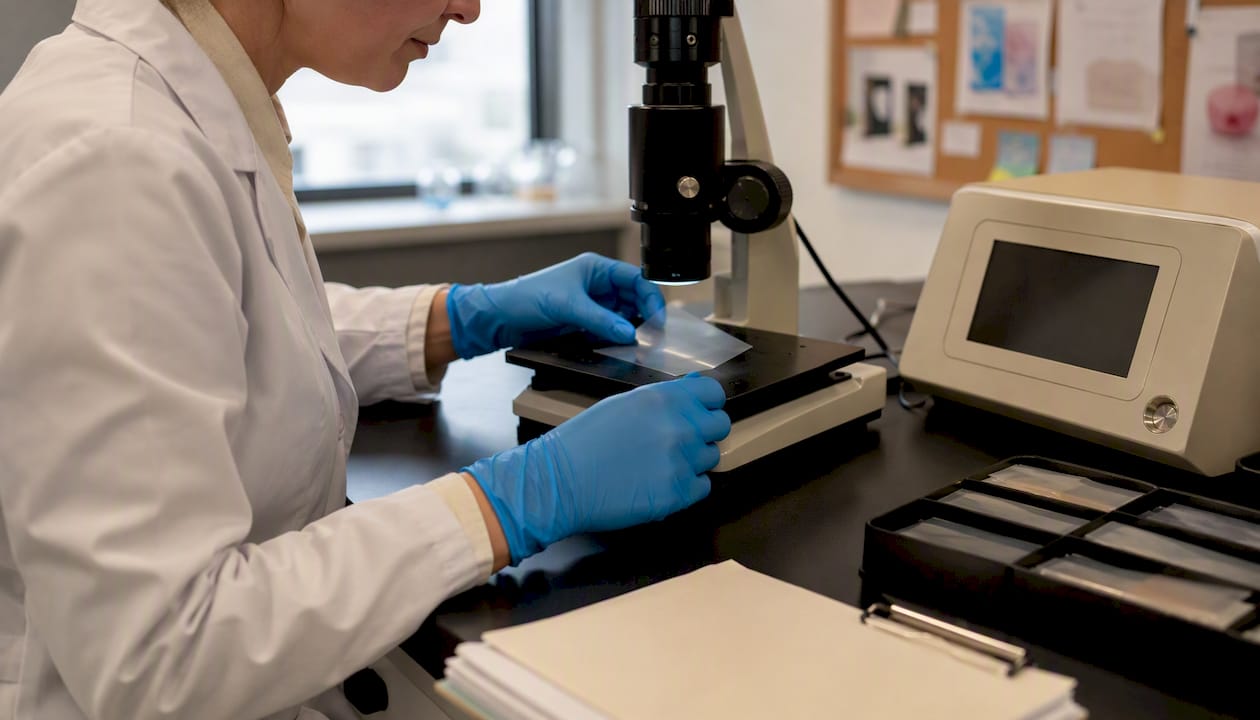
The main material families
Multilayer laminates with metallized foil are the traditional workhorse. A typical structure combines a printed outer layer (PET or OPP), a metallized foil barrier, and a food-grade PE heat-seal layer. They deliver excellent oxygen and moisture barrier performance and are cost-effective at volume. The trade-off is recyclability: mixed-material laminates are difficult to recycle in most U.S. municipal streams.
EVOH-containing co-extrusions (PE/EVOH/PE) are the current performance-sustainability sweet spot. EVOH as a core barrier layer achieves very low oxygen transmission while the PE outer and inner layers allow the structure to be processed as a mono-material in some recycling streams. Manufacturer datasheets report OTR values as low as 0.5 ml/(m²·24h·0.1MPa) for these structures, with BOPE layers added for puncture resistance.
Mono-material PE or PP films without EVOH offer moderate barrier performance. They are the most recyclable option but suit lower-risk products like dry biscuits or treats with short shelf lives rather than high-fat kibble or raw food.
Compostable films (PLA-based or certified home-compostable structures) are appropriate for low-barrier dry goods. For high-barrier pet food, they typically cannot yet match the oxygen or moisture protection that multilayer or EVOH structures provide. Brands should prioritize recyclable-ready mono-materials for high-barrier applications rather than defaulting to compostable films.
U.S. food-contact compliance basics
FDA food-contact material expectations require that all materials in contact with food be free from harmful contaminants and comply with applicable regulations under 21 CFR. For pet food, this means specifying food-grade certification on every layer of the film structure, not just the inner seal layer. Ask your supplier for a food-contact compliance declaration covering the full laminate.
Material comparison
| Material family | Typical OTR (ml/m²·24h) | Puncture resistance | Recyclability profile | Best product match |
|---|---|---|---|---|
| Metallized foil laminate | <1.0 | High | Not recyclable (mixed material) | Dry kibble, treats, long shelf life |
| PE/EVOH/PE co-extrusion | ≤0.5–1.0 | High (with BOPE layer) | Recyclable-ready (mono-material) | Premium dry food, treats, toppers |
| Mono-material PE/PP | 5 | Moderate | Widely recyclable | Short-shelf-life treats, dry biscuits |
| Compostable (PLA-based) | Variable, often >10 | Low–moderate | Compostable (certified) | Low-barrier dry goods only |
Pro Tip: When requesting quotes, specify both aroma transmission and heat-seal strength alongside OTR. Aroma migration is a frequent complaint in pet treat pouches, and heat-seal strength directly determines whether your bags survive a drop test. Both specs should appear on the supplier’s technical data sheet.
What functional features should you specify?
A bag that looks great but fails in a consumer’s hands loses repeat business fast. Functionality drives repeat satisfaction more reliably than decorative finishes for treat and kibble packaging.
Key features to consider:
- Resealable zipper: Standard press-to-close or slider zipper keeps kibble and treats fresh after opening. Specify zipper style (press-lock vs. slider) based on your target user: slider zips are easier for one-handed use, which matters for training treat pouches.
- One-way degassing valve: Primarily used for freshly roasted or high-aroma products. Allows internal gas to escape without letting oxygen in, preserving aroma and preventing bag inflation.
- Tear notch: A small pre-cut notch that enables clean, controlled opening without scissors. Low cost to add and significantly improves the unboxing experience.
- Hang hole: Punched or reinforced hole for peg display in retail. Essential if your product will be merchandised on a hook rather than a shelf.
- Spout / fitment: For liquid or semi-liquid products. Adds cost and tooling lead time but enables controlled dispensing and resealing.
- Slider zip: Higher-end closure option that signals premium quality on shelf and is easier to operate than a press-lock zipper, especially for older pet owners.
Each added feature increases per-unit cost and may extend lead time slightly. A tear notch adds minimal cost; a spout fitment requires tooling and a longer setup. Prioritize features that directly affect your customer’s daily use before adding decorative elements.
Pro Tip: Request a zipper pull-force test result from your supplier. A zipper that opens too easily will fail during transit; one that requires too much force frustrates customers. A pull force in the 10–25 N range is a reasonable starting benchmark for most pet food zipper applications.
How do printing methods affect cost, quality, and lead time?
Print method is one of the biggest levers on both per-unit cost and minimum order quantity. Choosing the wrong method for your volume is one of the most common and expensive mistakes early-stage brands make.
Digital printing
Digital printing requires no printing plates, which makes it the right choice for short runs, design testing, and seasonal or limited-edition SKUs. MOQs can start as low as 500 units for some formats. Color accuracy is excellent for photographic imagery, though it can be slightly less consistent than gravure for solid Pantone colors across very large runs. Lead times are typically shorter than gravure.
Rotogravure (gravure)
Gravure uses engraved cylinders and delivers the highest color consistency and finest detail reproduction. It is the standard for high-volume production runs where per-unit cost needs to come down and color fidelity across hundreds of thousands of bags is non-negotiable. The trade-off is plate cost and setup time. Gravure makes economic sense once volumes justify the tooling investment.
Flexographic printing
Flexo sits between digital and gravure in cost and quality. It uses flexible printing plates and is well-suited to mid-volume runs. Color registration is good but not as precise as gravure. Many mid-market pet food brands use flexo for their core SKUs once they have validated a design.
Finishing options and their impact
- Matte or gloss laminate: Matte signals premium; gloss is more cost-effective and durable.
- Soft-touch coating: Adds a tactile premium feel. Increases cost and lead time.
- Spot UV: Selective gloss over matte for logo or design highlights. Moderate cost add.
- Foil stamping: Metallic finish for premium positioning. Requires additional tooling.
- Windows: Clear panels showing product inside. Adds a die-cut step but increases consumer trust.
Artwork and file requirements
- Supply print-ready files in vector format (AI or EPS), with all fonts outlined and bleed set to at least 3mm.
- Confirm color mode: CMYK for digital print; Pantone spot colors for gravure or flexo where exact brand color matching is required.
- Request a digital proof (PDF) before approving production, and always order a physical sample pouch before the full run.
- Check that regulatory text (ingredient list, guaranteed analysis, net weight, manufacturer name and address) fits within the designated panels on the dieline.
What should you expect for MOQs, sampling, and lead times?
Procurement planning for custom pet food bags involves more variables than most brands anticipate. Getting the timeline right from the start prevents launch delays.
MOQ ranges by print method
Flexible packaging suppliers offering digital printing can start production runs from 500 units for some formats, while gravure methods typically require several thousand units to justify cylinder costs. Impacked’s program starts at 500 units across formats, which makes it practical for startups and brands testing new SKUs.
Sampling and approval workflow
- Digital proof: A PDF or on-screen rendering of your artwork on the dieline. Fast and free with most suppliers. Confirms layout and color intent but does not validate physical performance.
- Physical pouch sample: A printed sample of your actual bag, produced before the full run. This is where you validate zipper feel, seal strength, print color accuracy, and material hand. Never skip this step.
- Pilot run: A small production batch (often the MOQ) used to validate filling-line compatibility and packaging performance before scaling.
Lead times
Express production at Impacked can be as fast as two weeks. Standard production runs typically take four to six weeks from artwork approval, with additional time for ocean freight if bags are produced overseas. Build at least two to three weeks of buffer into your launch timeline for customs clearance and delivery.
Logistics considerations
- Packaging weight and cube affect freight cost significantly. Flat-packed bags ship more efficiently than pre-formed structures.
- Seasonal port congestion (particularly Q4) can add one to three weeks to ocean freight timelines.
- For U.S. importers, confirm whether your supplier quotes FOB (you arrange freight), CIF (supplier arranges to port), or DDP (supplier delivers duty-paid to your door). DDP is the simplest option for brands without an established freight forwarder.
Order cycle snapshot: Quote and artwork approval (1–2 weeks) → physical sample review (1–2 weeks) → production (2–6 weeks depending on method) → freight and customs (1–4 weeks for ocean). Total: 5–14 weeks from first contact to warehouse receipt.
How do you test packaging performance before launch?
A bag that passes visual inspection can still fail in transit or on shelf. Requesting test data from your supplier before approving production is the single most effective way to avoid costly recalls or customer complaints.
Essential tests to request
- Oxygen transmission rate (OTR): Measures how much oxygen passes through the film per unit area per day. For high-barrier pet food, target ≤1.0 ml/(m²·24h); premium applications should aim for ≤0.5 ml/(m²·24h·0.1MPa).
- Water vapor transmission rate (WVTR): Critical for moisture-sensitive kibble and treats. Lower is better; request the supplier’s test data for the specific film structure you are ordering.
- Heat-seal strength: Measured in N/15mm. Weak seals are the most common cause of bag failure in transit. Specify a minimum seal strength on your purchase order.
- Aroma migration: Particularly important for pet treat pouches and high-fat products. Ask for aroma migration test data or specify it as a requirement.
- Puncture resistance: Measured in Newtons. Heavy bags (5–25kg) need stronger gusset and seam designs; request puncture resistance data for the film gauge you are specifying.
- Drop test: Simulates parcel and pallet handling. Bags should be filled to target weight and dropped from a standard height (typically 1.2m) onto a hard surface. Look for seal delamination, zipper failure, or film puncture as failure modes.
Performance thresholds by application
| Test | High-barrier (kibble, wet food) | Medium-barrier (dry treats) | Notes |
|---|---|---|---|
| OTR (ml/m²·24h) | ≤1.0 | ≤0.5 | Lower = longer shelf life |
| WVTR (g/m²·24h) | ≤1.0 | ≤0.5 | Critical for moisture-sensitive products |
| Heat-seal strength (N/15mm) | — | — | Specify on purchase order |
| Puncture resistance (N) | ≥10 (heavy bags higher) | ≥5 | Scale with bag weight |
| Drop test | Pass at 1.2m, filled weight | Pass at 1.0m | No seal delamination or zipper failure |
Reading certifications
FDA food-contact compliance documentation (a 21 CFR compliance letter or declaration) confirms the film is food-grade. FSSC 22000 or ISO 22000 certification from the manufacturing facility confirms the production environment meets food safety management standards. Request both before approving a supplier.
Drop test red flags: seal delamination at the bottom gusset, zipper pull-away from the film, or film puncture at the fold points. Any of these on a sample means the specification needs to change before production.
How do you choose the right packaging supplier?
The right supplier is not just the one with the lowest per-unit price. Barrier performance, certification transparency, and MOQ flexibility matter as much as cost for a brand that needs to move fast and stay compliant.
Supplier selection checklist
- Food-contact compliance documentation (21 CFR declaration or equivalent)
- FSSC 22000 or ISO 22000 facility certification
- Physical sample availability before full production
- Stated MOQ by format and print method
- Written lead-time guarantee
- Barrier performance test data (OTR, WVTR, heat-seal strength) for the specific film structure
- Sustainability claims backed by third-party certification (not just marketing language)
- Transparent pricing with itemized tooling and setup costs
Questions to ask on supplier calls
- Can you provide a 21 CFR food-contact compliance declaration for the full laminate structure?
- What is your facility’s food safety certification (FSSC 22000, ISO 22000, BRC)?
- What is the MOQ for digital print vs. gravure for this format?
- What is your standard lead time from artwork approval to shipment, and what is your express option?
- Do you offer physical pouch samples before production, and what is the cost?
- What OTR and WVTR values does this film structure achieve, and can you provide test reports?
- How do you handle color matching for Pantone spot colors?
- What are your heat-seal strength specifications, and how do you test them?
- What incoterm do you quote (FOB, CIF, DDP), and do you handle U.S. customs documentation?
- What is your policy if bags fail a drop test or seal integrity check on arrival?
Red flags
- Supplier cannot or will not provide food-grade certificates for the full laminate.
- Lead times are given as ranges with no written guarantee.
- No physical samples available before production.
- Sustainability claims are not backed by third-party certification.
- Pricing changes significantly after artwork is submitted.
Step-by-step path from quote to first order
- Submit a brief with product type, target bag style, estimated annual volume, desired material, and artwork.
- Receive and compare quotes; confirm MOQ, lead time, and incoterm in writing.
- Order a physical pouch sample and validate barrier performance, print quality, and zipper function.
- Request food-contact compliance documentation and facility certification.
- Approve artwork via digital proof, then sign off on the physical sample.
- Place the production order with written lead-time confirmation.
- Arrange freight and confirm customs documentation for U.S. import.
How Impacked makes custom pet food bags straightforward
Impacked’s process is built around one point of contact from brief to delivery, which removes the coordination overhead that slows most packaging projects down.
Here is what working with Impacked looks like in practice:
- Brief and quote: Submit your product type, target format, estimated volume, material preference, and artwork. Impacked provides a detailed quote covering unit price, tooling, and lead time.
- Design support: If you need dieline setup or artwork adaptation, Impacked’s design team works directly with you. No need to manage a separate design agency.
- Sample ordering: Physical pouch samples are available before full production, so you can validate print quality, zipper function, and seal strength on your actual product.
- Production: MOQs start at 500 units. Express production options deliver in as little as two weeks from artwork approval.
- Materials: Food-grade and sustainable material options are available, including recyclable-ready mono-material structures and compostable films for appropriate applications.
- Documentation: Impacked provides food-contact compliance documentation and can supply test reports for barrier performance, giving your procurement team the paperwork needed for internal sign-off.
- Shipping: Global shipping with support for U.S. import logistics.
Pro Tip: When you submit your brief to Impacked, include your co-packer’s filling equipment specs (VFFS or pre-made pouch line) alongside your product details. This one piece of information prevents the most common format mismatch that delays sample approval.
Key Takeaways
Custom pet food packaging bags require the right combination of barrier material, format, and supplier flexibility to protect freshness and support brand growth from the first 500-unit run.
| Point | Details |
|---|---|
| Choose the right format first | Stand-up pouches suit most retail SKUs; quad-seal and valve sacks handle bulk and heavy loads. |
| Specify barrier performance in writing | Request OTR ≤1.0 ml/(m²·24h) and heat-seal strength — N/15mm for high-barrier applications. |
| Always order a physical sample | Validate zipper function, seal strength, and print quality before approving full production. |
| Confirm food-contact compliance | Require a 21 CFR compliance declaration covering the full laminate, not just the inner layer. |
| Impacked for low-MOQ custom runs | Impacked offers custom pet food bags starting at 500 units with express production and food-grade materials. |
What brands consistently get wrong about pet food packaging
The most common mistake we see is brands treating packaging as a branding exercise and forgetting it is a food safety system. A beautiful matte finish on a film with inadequate heat-seal strength is a liability, not an asset. Bags that look premium on a mood board but fail a drop test will generate customer complaints and returns that no amount of great design can offset.
The second mistake is underestimating aroma transmission. Pet owners are acutely sensitive to whether a treat bag smells right when opened. A film that allows aroma to migrate out also allows oxygen to migrate in, which shortens shelf life and erodes the sensory experience your product depends on. Specifying aroma migration alongside OTR on every quote is a simple step that most brands skip entirely.
Our practical advice: treat your packaging specification the same way you treat your product formulation. Define the performance requirements first, then design around them. The brands that get this right from the start spend less time reformulating and more time growing.
Ready to get your pet food packaging right from the start?
Impacked gives pet food brands a faster, more flexible path to custom packaging that actually performs. Starting at 500 units with express production as fast as two weeks, you can launch a new SKU, test a seasonal design, or scale an existing line without the minimum order commitments that slow most brands down.
Every order comes with a single point of contact, food-grade material options, and the documentation your procurement team needs. Whether you need a high-barrier stand-up pouch for dry kibble, a spouted format for wet toppers, or a bulk quad-seal bag for wholesale, Impacked works with you to match the format and material to your product and filling line.
Get a quote or explore Impacked’s pet food packaging options to request a sample and start your brief today.
Useful sources for procurement and compliance
- FDA food-contact materials (21 CFR) — the primary U.S. regulatory reference for food-contact compliance; use this to verify what your supplier’s declaration must cover.
- Impacked recyclable packaging guide — practical guidance on recyclable-ready mono-material structures and when to use them vs. compostable alternatives.
- Impacked pouch samples — details on how to order physical samples before committing to a full production run.