

What are packaging prototypes and why do they matter?
Packaging prototypes are physical or digital sample units that model your intended packaging design before mass production begins. They let your team inspect, test, and refine everything from structural integrity to shelf appeal without committing to expensive tooling or full production runs. A well-executed prototype catches design flaws early, saving you from costly corrections down the line.
The value goes beyond catching mistakes. Prototypes align your cross-functional teams, from product development and regulatory to marketing and sales, around a shared, tangible reference point. When everyone can hold or view the same sample, decisions happen faster and with more confidence.
Here is what a strong prototyping process delivers:
- Design validation: Confirms that proportions, closures, and graphics translate from screen to physical form
- Structural testing: Reveals whether the package can withstand fill conditions, stacking, and transit
- Visual evaluation: Lets you assess color accuracy, finish quality, and shelf presence before print runs
- Marketing preparation: Produces sales samples, influencer kits, and trade show displays ahead of launch
- Error prevention: Identifies tooling and print issues before they become production-scale problems
Types of packaging prototypes and what each one reveals
Not all prototypes serve the same purpose. Choosing the right type depends on what question you need to answer at each stage of development.
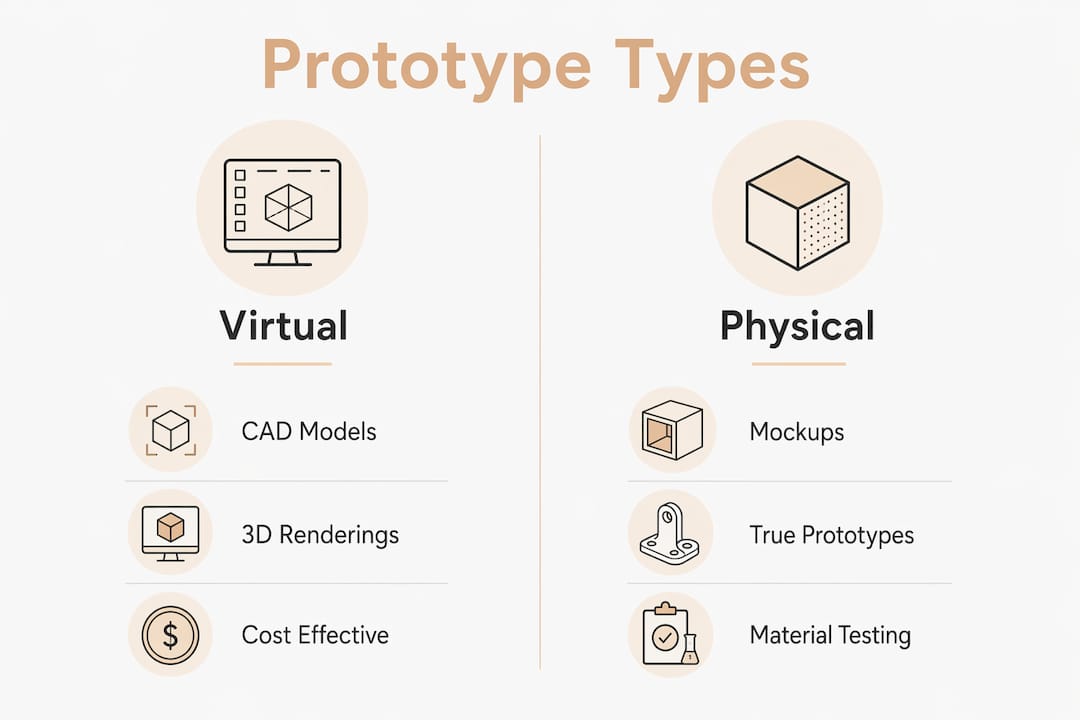
Virtual prototypes
Virtual prototyping covers everything from hand sketches to full CAD models and photorealistic 3D renderings. These are your lowest-cost, fastest options for exploring design directions early.
- Illustrated sketches: Pen and paper exploration of shapes, configurations, and color options; rapid and free, but the least accurate representation
- CAD models: Digital 3D files that define precise dimensions and geometry, forming the foundation for all downstream prototyping
- 3D renderings: Photorealistic visualizations that show how packaging looks on shelf or in a retail environment; some teams now use VR and AR tools like HTC Vive to interact with rendered designs before any physical sample is made
Virtual prototypes do not reveal how a material performs under fill conditions or how a closure seals. Their strength is speed and low cost during early design decisions.
Physical prototypes
Physical prototypes reveal size, shape, structural attributes, and aesthetic qualities that virtual models cannot fully capture. They come in three main forms:
- 3D mockups: Built from paperboard, corrugated board, or similar materials using digital printing; fast to produce but often lack the final finish, so colors and structural integrity may not match production
- 3D-printed models: Produced directly from a digital file without tooling, typically in PLA, ABS, PETG, or PET; fast for form and fit assessment but do not replicate ink adhesion, mechanical closures, or flexible material behavior
- Prototype unit tools: Exact replicas made using production materials and processes; the highest-fidelity option, but also the most expensive and time-consuming to produce
Pro Tip: Use 3D-printed models to answer “does this design look and feel right?” and reserve prototype unit tools for “will this container perform in production?” Mixing up these two questions is where teams lose time and money.
The distinction between a mockup and a true prototype matters. True prototypes use production materials and processes, while mockups focus on visual representation. Relying on mockups alone can lead to structural failures or print accuracy issues when you transition to full production.
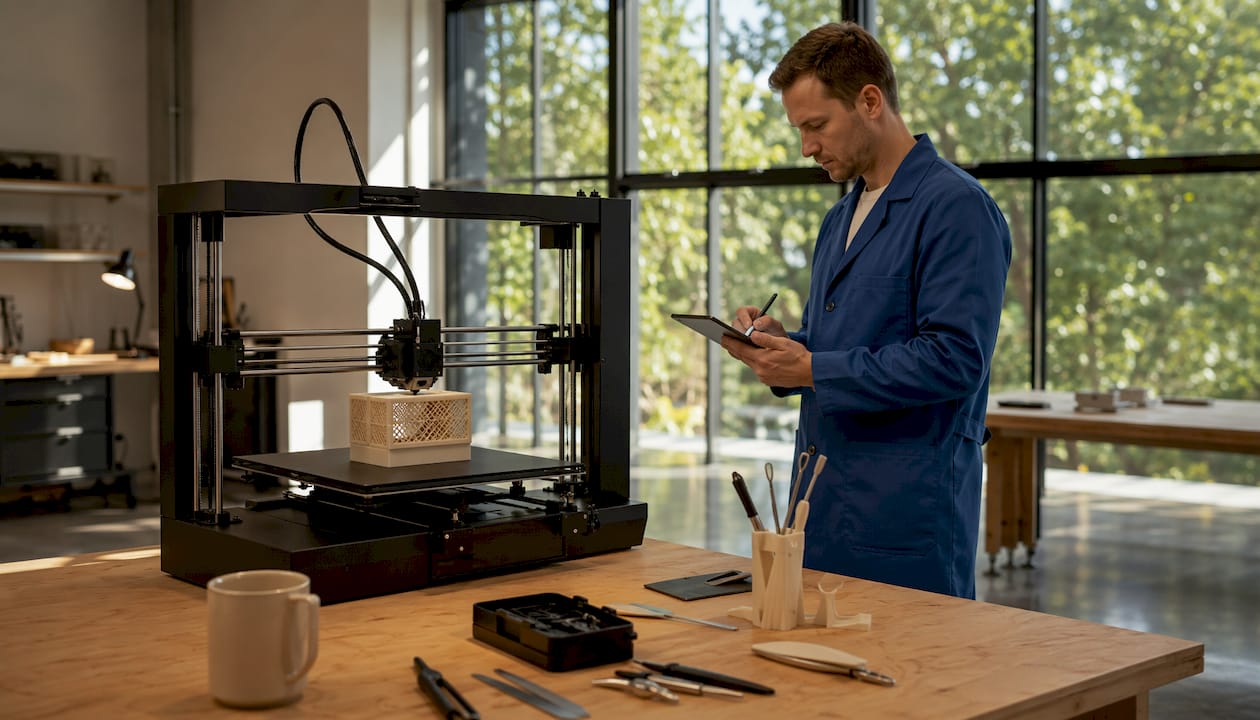
How the prototyping process works from concept to approval
A structured prototyping workflow reduces risk and cost by validating design intent before any major investment is made. The four-stage path looks like this:
- 3D prototype: Validates design intent and physical form; delivery can be very fast for standard requests
- Pilot mold: Confirms manufacturability and refines details before full tooling investment; typically take several weeks
- Production mold: Built for long-term, high-volume use; typically takes 30–70 days
- Pre-production samples: Final approval before mass production begins
Each stage answers a different question, and skipping ahead creates problems that are expensive to fix later.
Tools and software
Digital design and rendering rely on CAD platforms like SolidWorks, Esko ArtiosCAD, and Adobe Illustrator for dieline work. 3D rendering tools such as KeyShot and Cinema 4D produce photorealistic visualizations. For teams exploring AR or VR interaction, platforms like Unity and Unreal Engine are increasingly used to create immersive pre-production reviews.
Managing cost and timeline
- Virtual prototypes cost the least and turn around in hours to days
- 3D-printed models are affordable and fast, often delivered within 48 hours, though complexity and size affect timing
- Prototype unit tools carry the highest cost due to tooling requirements and longer lead times
- Iterative testing with close supplier collaboration keeps costs predictable; front-loading changes at the virtual stage is far cheaper than revising a production mold
Common challenges during prototyping include balancing fidelity with development speed, managing material choices that affect both cost and accuracy, and keeping turnaround times aligned with launch schedules. The teams that navigate this best treat prototyping as a phased investment, not a single step.
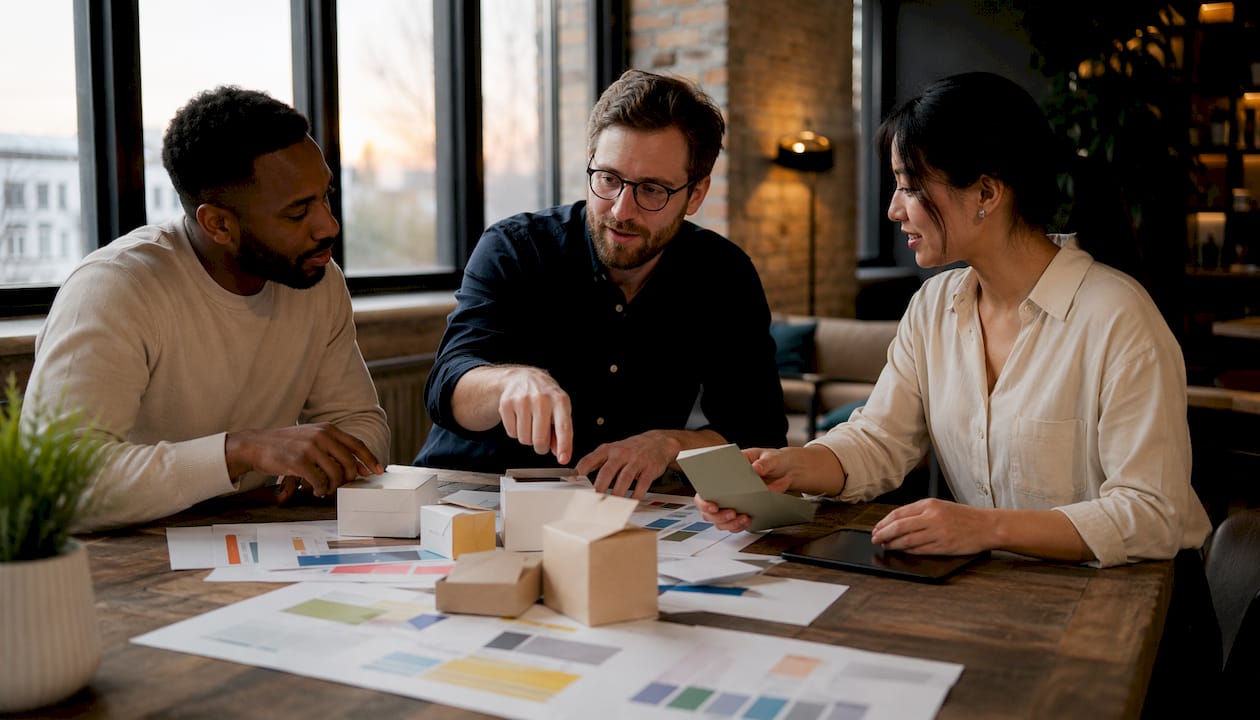
How prototypes support marketing, sales, and production decisions
Prototypes do more than validate engineering. They enable cross-functional readiness before a product ever reaches a retailer.
- Consumer testing: Physical samples let focus groups interact with packaging, revealing usability issues and preference data that digital renders cannot surface
- Shelf appeal evaluation: High-fidelity mockups show how a design competes for attention in a real retail environment
- Sales samples: Production-accurate samples give sales teams a compelling, tangible tool for retailer presentations and buyer meetings
- Influencer kits: Premium prototype packaging, assembled and fulfilled ahead of launch, creates unboxing moments that drive organic social content
- Trade show displays: Accurate or scaled-up prototypes make brand presence at trade shows far more compelling than printed boards
- Early structural issue detection: Identifying a closure failure or a print registration problem at the prototype stage costs a fraction of what it costs to correct after tooling is cut
- Team alignment: When marketing, product, regulatory, and operations teams all review the same physical sample, approval cycles shorten and miscommunication drops
The feedback loop that prototyping creates is one of its most underrated advantages. A physical sample in a buyer’s hands generates more specific, useful feedback than any digital presentation.
Sustainable and flexible prototyping options for modern brands
Sustainability in prototyping is no longer optional for brands that want to stay credible with consumers and retailers. Sustainable packaging prototypes use recycled, recyclable, or compostable materials, and digital prototyping minimizes physical waste entirely.
- Recyclable and compostable substrates: Available for physical prototype samples, these materials let you test sustainable packaging concepts with the same materials you plan to use in production
- Digital-first prototyping: Starting with virtual prototypes before committing to physical samples reduces material waste and shortens the overall development cycle
- Flexible packaging formats: Flexible packaging prototypes, including stand-up pouches, roll film, and flexible bags, adapt to diverse product shapes and retail formats; they are particularly relevant for food, beverage, and pet food brands
- Low minimum order quantities: Impacked’s custom printed boxes and flexible packaging options start at 500 units, letting brands test designs at small scale before committing to larger runs
- Eco-friendly tradeoffs: Compostable substrates often carry a higher per-unit cost than conventional materials; factoring this into your prototype budget early prevents surprises at production scale
For brands in the coffee and beverage space, sustainable packaging choices at the prototype stage directly inform the materials selected for full production, making early material testing especially valuable.
Impacked works with food, beverage, pet food, seafood, and lifestyle brands to produce custom printed prototypes using FSC-certified, recyclable, and compostable materials, with express production available in as little as two weeks. That combination of speed, sustainability, and low minimum orders makes it practical to test multiple design directions without overcommitting resources.
Key Takeaways
Packaging prototypes reduce production risk by validating design, structure, and materials before any major tooling investment is made.
| Point | Details |
|---|---|
| Start virtual, then go physical | Use CAD models and 3D renderings for early design decisions before investing in physical samples. |
| Match prototype type to your question | 3D-printed models answer form and fit questions; prototype unit tools answer production performance questions. |
| Follow the four-stage workflow | Move from 3D prototype to pilot mold, production mold, and pre-production sample to reduce risk at each step. |
| Prototypes serve marketing too | Sales samples, influencer kits, and trade show displays all depend on high-fidelity prototype packaging. |
| Sustainable options are available now | Recyclable and compostable substrates can be tested at the prototype stage, with low MOQ options starting at 500 units. |
Ready to build your next packaging prototype?
At Impacked, we work closely with product developers, designers, and brand managers to bring packaging concepts to life, from concept and dieline support through to custom printed samples. Whether you need flexible packaging for a new food launch or custom printed boxes for a retail rollout, we’re here to help you move from idea to shelf-ready packaging with confidence. Get a quote and let’s build something worth opening.